
The Real Difference Between Low-Grade and Mint 1909 VDB Pennies
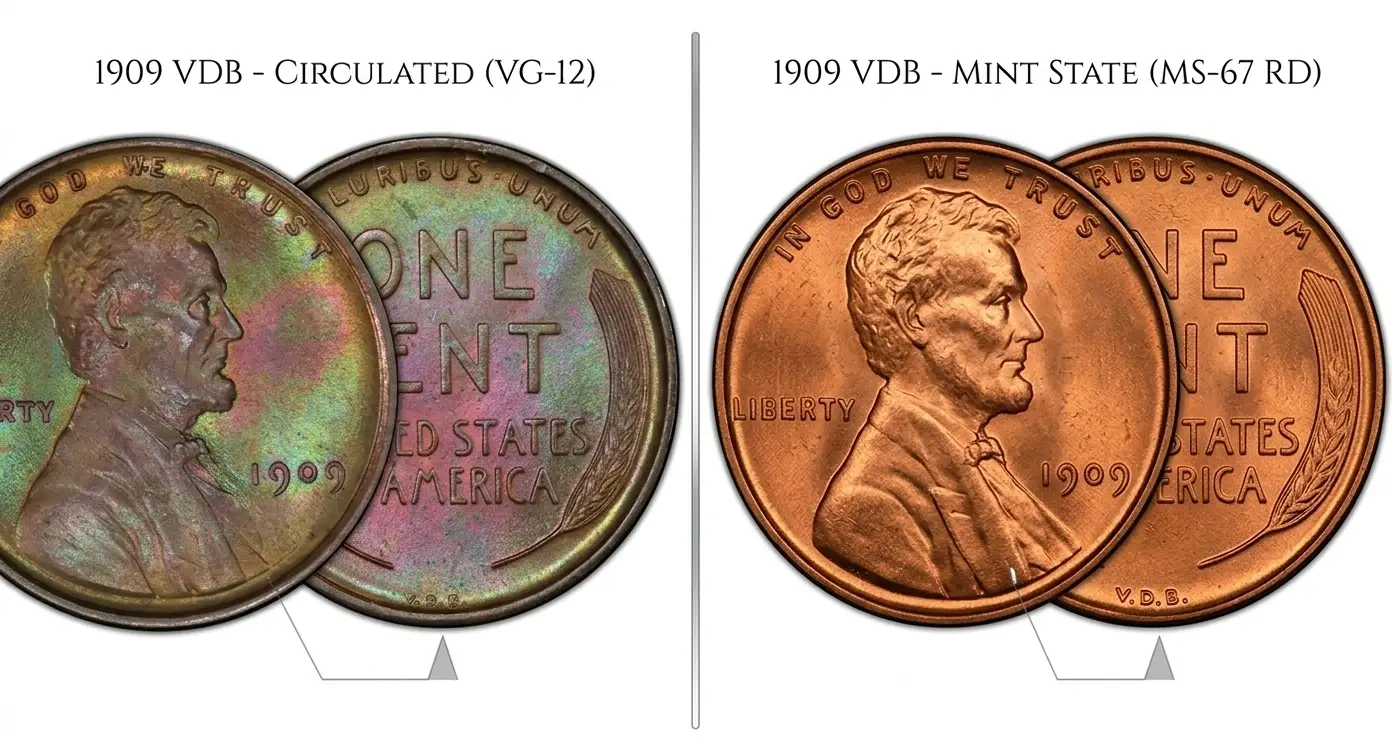
Collectors pay for physical preservation, ignoring chronological age as a primary value indicator.
Valuation shifts dramatically based upon verified grading standards.
Numerical categories determine final price outcomes.
The integrity of the 1909 VDB penny value chart relies upon avoiding subjective artistic interpretation.
Attribute | Specification |
Face Value | 1 cent |
Production Date | 1909 |
Metal Composition | Copper |
Mass | 3.11 grams |
Diameter | 19.00 millimeters |
Designer Mark | VDB on reverse |
Historical Design Context
Victor David Brenner authored the visual concept.
Placement of initials upon the reverse generated significant controversy.
Short production cycles dictated rarity for existing units.
Total volume reached 484,000 pieces.
Historical significance remains embedded within every surviving unit.
Grading Hierarchy
Low-Grade Characteristics
Surface displays substantial wear.
Portrait details remain absent.
Fields show extensive scratching.
High-Grade Characteristics
Mint luster persists completely.
Relief detailing exhibits sharp edges.
Mechanical damage remains non-existent.
Market Value Dynamics
Market observations confirm steady price appreciation.
2024 low-grade price: $450.
2025 low-grade price: $480.
2026 low-grade price: $520.
Average growth rates for low-grade assets reach 7 percent.
Comparative Market Data
Grade | Price 2024 | Price 2026 |
AG3 | $450 | $520 |
MS63 | $850 | $1,050 |
MS65 | $1,200 | $1,550 |
MS67 | $3,500 | $4,200 |
Investment Impacts
Capital growth correlates directly with quality improvements.
Analysis across 2024–2026 reveals distinct separation.
Low-grade growth: 7 percent.
High-grade growth: 14 percent.
Concentrated investment capital favors upper market segments.
Technical Criteria for Mint State
MS63
Light abrasion appears upon protruding sections.
Vibrant color remains stable.
MS65
Invisible defects characterize the surface.
Full mint luster dominates.
MS67
Perfect surface condition prevails.
Sharp lines indicate high definition.
Counterfeit Identification Procedures
Chemical treatments often simulate age.
Mass verification exposes weight deviations.
Microscopic inspection of the edge identifies mechanical modifications.
Comparison against benchmarks confirms initial authenticity.
Professional certification eliminates transaction risk.
Storage Protocols
Proper environmental settings prevent corrosion.
Inert materials shield the Copper surface.
Temperature control removes external stressors.
Mechanical contact prevention protects grade levels.
Low-Grade Specifics
Wear Patterns
Letter clarity decreases.
Lincoln portrait contours smooth out.
Surface Damage
Deep scratches indicate mishandling.
Cleaning traces remove original luster.
Investment Strategy 2026
Portfolio construction prioritizes high-quality assets.
Certified items reduce risk exposure.
Auction monitoring assists valuation precision.
Diversification strategies utilize varying MS grades.
Value Decline Factors for Low-Grade Assets
High availability reduces rarity.
Investor demand remains minimal.
Secondary market liquidity lacks strength.
Cost Analysis Drivers
Price calculation involves multiple indicators.
Strike quality → Relief clarity.
Surface condition → Scratch absence.
Certification → Value confirmation.
Auction Realization Mechanics
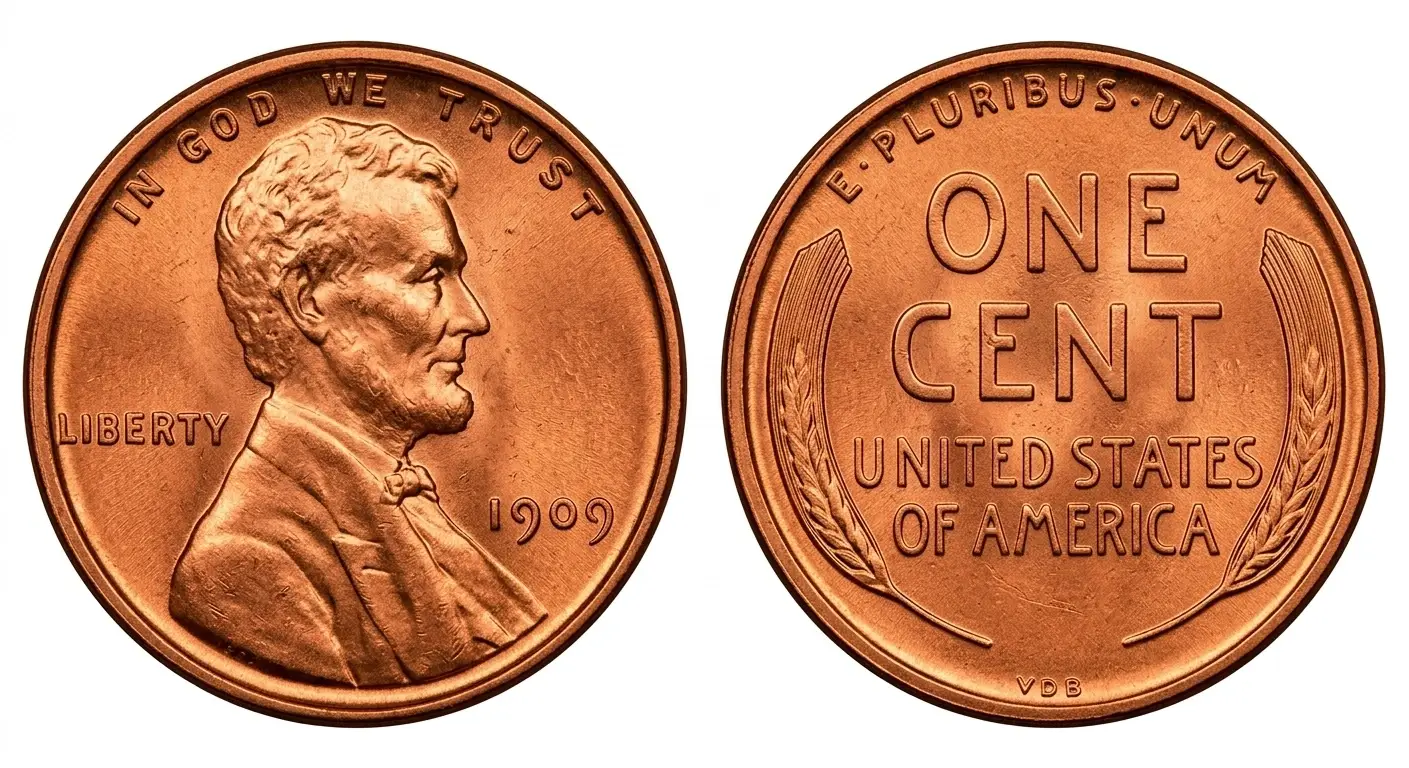
Auction houses establish value benchmarks.
High demand characterizes grades above MS65.
Rare specimens reach peak market levels.
Professional appraisal ensures high liquidity.
VDB Initial Significance
Initial clarity confirms authenticity.
Mechanical intervention reduces worth.
Verification remains mandatory for all acquisitions.
Expert Methodology
The free coin value checker reveals surface status.
Color uniformity indicates original finish.
Mint luster presence defines high-grade potential.
Minting Variances
Press strikes dictate relief depth.
Stamp wear alters sharpness.
Technical tolerances create manufacturing diversity.
Price Stability During Stagnation
2026 markets demonstrate resilience for quality assets.
Low-grade units show stagnant value.
MS67 specimens sustain growth despite market slowdowns.
Selection Strategy
Priorities
Authenticity certificates.
High-grade levels.
Original surface finish.
Exclusions
Heavily worn units.
Deeply damaged pieces.
Data Analysis 2026
Sales statistics validate MS67 worth.
Average sales price for MS67 exceeded $4,000.
Growth relative to 2024 reached 20 percent.
Purchasing Errors
Overpayment for AG3 states.
Ignoring certification costs.
Overlooking minor mechanical flaws.
Professional Grading Roles
Independent coin identification app expertise removes subjectivity.
Quality guarantees protect investments.
Official holders simplify resale processes.
Storage Technicalities
Humidity levels must remain below 40 percent.
Capsules prevent Copper oxidation.
Darkness maintains natural surface color.
2026 Demand Influence
Investors select assets with confirmed worth.
Quality coins ensure capital liquidity.
Market price correlates with rarity.
Asset Protection via Condition
Selection discipline secures investments.
Non-liquid assets require avoidance.
Professional evaluation data guides decisions.
Value Monitoring Methods
Auction report analysis.
Platform price comparisons.
Trend observation across intervals.
Popular

A Nightlife Guide for Partygoers in the Netherlands
Are you a party animal on the hunt for an unforgettable night out in the Netherlands? Look no further! This comprehensive nightlife guide will lead you through the vibrant cities of this captivating c...
Medical Tourism: Everything from A to Z
Explore the world of medical tourism with our comprehensive guide. Discover the benefits, risks, and essential considerations for selecting the right destination for your healthcare journey. Whether y...